Understanding the Rosary Bracelet: Design, Purpose, and Selection
Before learning how to wear a rosary bracelet, it helps to understand what it actually is and why many Catholics choose to carry or wear one every day.
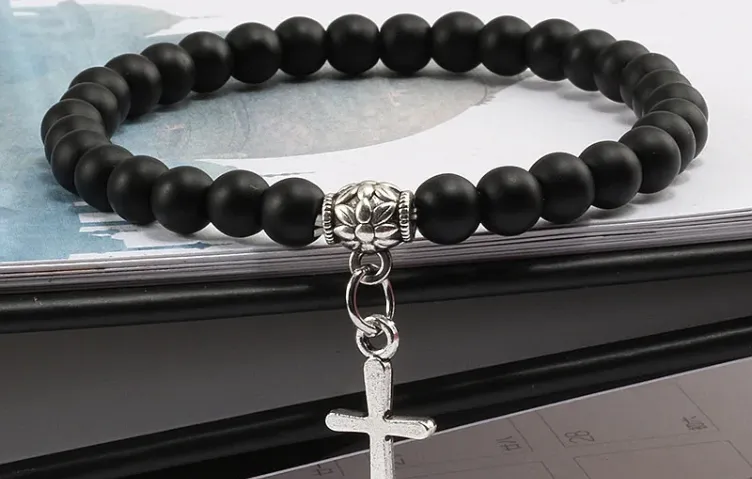
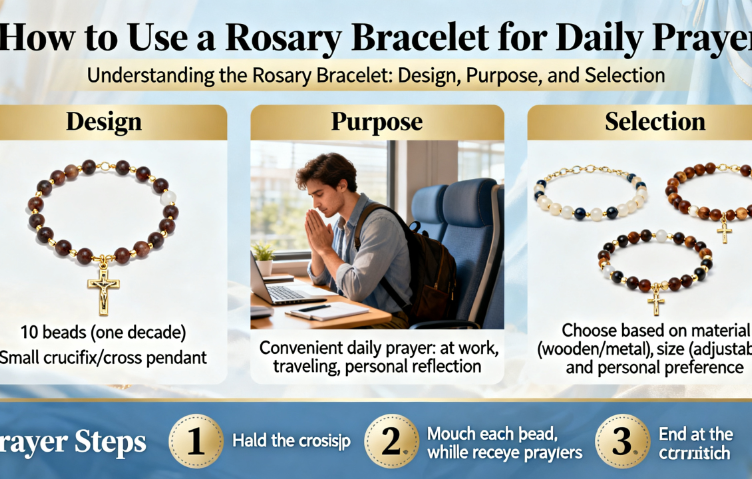
A rosary bracelet is typically a single-loop bracelet featuring ten beads, representing one decade of the Rosary, along with a small crucifix or cross. Unlike a full five-decade rosary, this compact design allows believers to pray conveniently throughout the day, whether at work, while traveling, or during quiet personal reflection.
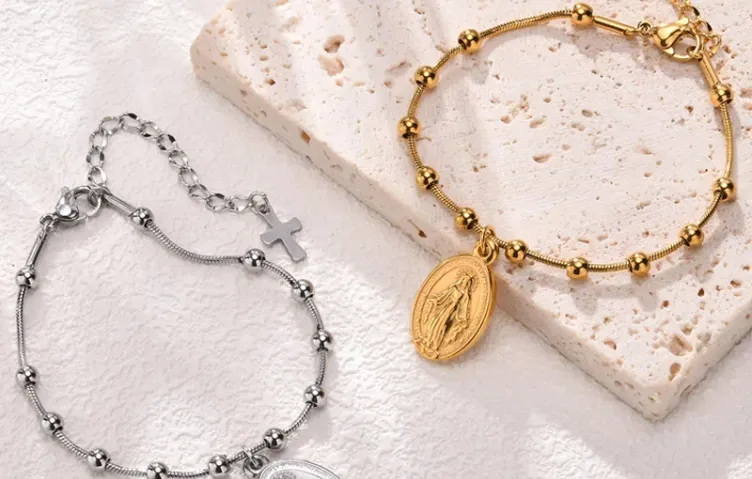
Rosary bracelets come in a wide variety of materials and styles. Some are made from traditional wooden beads, while others feature natural stones, glass, metal, leather, or even stainless steel. Each material offers a different appearance and feel, allowing individuals to select a bracelet that matches both their spiritual preferences and daily lifestyle.
However, a rosary bracelet is more than just jewelry. In Catholic tradition, it serves primarily as a reminder of prayer, faith, and one’s relationship with God. While many designs are visually appealing, their purpose extends beyond decoration. Wearing a rosary bracelet can gently encourage moments of prayer, gratitude, and reflection throughout an otherwise busy day.
When choosing a rosary bracelet, comfort and fit matter. People with smaller wrists may prefer elastic cord designs that stretch easily and sit securely. Those with larger wrists often find adjustable sliding-knot bracelets or clasp-style designs more comfortable and durable. Men’s rosary bracelets are frequently designed with larger beads, darker colors, leather accents, or metal components that create a more masculine appearance while maintaining reverence for the devotional purpose.
Rosary bracelets also make meaningful gifts for important Catholic milestones such as First Communion, Confirmation, birthdays, or religious anniversaries. They offer both practical spiritual value and lasting sentimental significance.
A common question is: Where should you put a rosary bracelet? The most common place is on the wrist, where it can serve as a visible reminder of faith. Some people carry it in a pocket, keep it in a purse, or place it in a vehicle for prayer during travel. There is no strict rule. The key is treating the rosary bracelet with respect and using it as a tool that draws your attention toward prayer rather than merely as a fashion accessory.
The One-Decade Rosary Prayer Sequence
Many people receive a rosary bracelet and immediately wonder, “How do I actually pray with it?” The good news is that a one-decade rosary bracelet follows the same spiritual rhythm as a traditional rosary—just in a more compact form. The goal is not to rush through prayers or mechanically count beads. Instead, the bracelet serves as a guide that helps focus both the mind and the heart on Christ.
A proper prayer sequence usually begins with making the Sign of the Cross. This simple gesture sets the tone for prayer, reminding us that we are consciously entering into God’s presence. Some Catholics then pray the Apostles’ Creed as a profession of faith, while others may begin with a shorter opening prayer depending on the occasion.
Next comes the Our Father, prayed on the larger bead or the bead closest to the crucifix. Think of this prayer as opening a conversation with God the Father. It establishes the foundation upon which the rest of the decade is built.
As you move through the ten beads, pray one Hail Mary on each bead. However, the beads are not merely a counting device. During these prayers, Catholics traditionally meditate on a mystery from the life of Jesus and Mary. This meditation is the heart of the Rosary. The words of the Hail Mary create a gentle rhythm, while the mystery gives the mind a sacred place to rest and reflect.
After the tenth Hail Mary, pray the Glory Be. This prayer shifts attention toward the Holy Trinity and serves as a moment of praise and thanksgiving. Many people then continue with the Fatima Prayer, asking for God’s mercy and guidance. Together, these prayers create a natural spiritual progression—from faith, to reflection, to praise, and finally to petition.
To conclude the decade, some Catholics simply make the Sign of the Cross. Others choose to pray the Hail Holy Queen or another closing prayer such as the Rosary’s concluding prayer. There is flexibility here, especially when praying a single decade during a busy day.
Ultimately, the proper way to use a rosary bracelet during prayer is not about perfect technique. It’s about allowing each bead to lead you deeper into contemplation. The bracelet is a small spiritual companion, helping transform a few quiet minutes into a meaningful encounter with God.
Mastering Bead-by-Bead Technique and Bracelet-Specific Guidance
Knowing the prayers is one thing. Knowing how to physically use a rosary bracelet is another. Surprisingly, this is where many beginners struggle. They know what to pray but aren’t quite sure how to move through the beads, keep their place, or continue after an interruption.
The simplest approach is to treat the crucifix, cross, or attached medal as your starting point. Once you’ve completed your opening prayers, gently hold the first bead between your thumb and index finger. After each Hail Mary, slide your fingers to the next bead. Think of the beads as stepping stones across a stream—each one helps you move forward without worrying about counting in your head.
When handling the bracelet, avoid gripping it too tightly. A relaxed hold allows the beads to move naturally while reducing the chance of dropping the bracelet. Many experienced users lightly pinch each bead rather than pulling the entire bracelet through their fingers. This creates a smooth rhythm that supports prayer instead of distracting from it.
One common question is: Can I wear a rosary bracelet and pray on my wrist? Absolutely. Many Catholics pray directly from the bracelet while it remains on their wrist. This can be especially convenient while commuting, walking, waiting in line, or taking a quiet moment during the day. The advantage is accessibility—the bracelet is always with you. The drawback is that wrist movement can sometimes make tracking beads slightly less precise.
For deeper concentration, some people prefer removing the bracelet and holding it in their hands. This provides greater control and often makes meditation easier, especially when praying multiple decades consecutively.
What happens if you lose your place? Don’t worry. It happens to everyone. A useful technique is to use the medal, crucifix, or a uniquely shaped spacer bead as a reference point. If you’re interrupted by a phone call, conversation, or sudden distraction, simply note the last bead you touched and resume when you’re ready. Prayer is not a performance; there’s no penalty for pausing.
Different bracelet designs may require slightly different techniques. Stretch-cord bracelets allow beads to roll easily under the fingers, making them ideal for continuous prayer. Clasp-style bracelets provide a fixed starting point and are often easier for beginners to navigate. Adjustable sliding-knot bracelets offer flexibility but may require a firmer grip to prevent movement during prayer.
At the end of a decade, simply return to the starting marker if you wish to pray another decade. Over time, the movement becomes almost second nature. The beads quietly fade into the background, allowing your attention to rest where it belongs—on prayer, reflection, and the mystery you are contemplating.
Creating a Consistent Daily Prayer Habit
A rosary bracelet is most powerful when it becomes more than something you own—it becomes something that gently shapes your daily rhythm. The challenge for most people isn’t learning the prayers. It’s remembering to pray consistently in the middle of busy schedules, endless notifications, and competing responsibilities.
The good news? A one-decade rosary bracelet is perfectly designed for modern life. Because praying a single decade usually takes only a few minutes, it can fit naturally into moments that already exist in your day.
One of the easiest ways to build a lasting prayer habit is to connect it to a fixed routine. Maybe it’s during your morning commute, while sitting on the subway, waiting for the train, or parked outside your workplace before heading inside. Perhaps it’s during a lunch break, a daily walk, or the quiet moments before bed. Instead of trying to create extra time, attach prayer to something you already do every day.
The bracelet itself can also serve as a spiritual trigger. When you notice it on your wrist, let it become a simple reminder: Pause. Pray. Reflect. In many ways, it works like a bookmark for the soul, helping redirect your attention toward God throughout the day.
Many Catholics find it helpful to pair their rosary bracelet practice with a small prayer journal. Before beginning a decade, write down a specific intention. It may be for your family, a sick friend, a struggling marriage, a child facing challenges at school, or even for peace in the world. Recording these intentions creates a tangible reminder of what you’re bringing before God and allows you to look back later with gratitude for answered prayers and unexpected blessings.
To deepen the experience, try assigning a unique intention to each decade you pray. One day may be dedicated to your family. Another may focus on those who are suffering, first responders, healthcare workers, or people experiencing loneliness. This intentional approach transforms prayer from a routine task into an ongoing conversation.
Just as important is meditation. While your fingers move from bead to bead, allow your mind to rest on the mystery being contemplated. Don’t worry if distractions appear—they will. Simply return your attention gently, the same way a traveler returns to the path after briefly looking away.
Consistency matters more than quantity. A single decade prayed attentively every day often bears more spiritual fruit than an hour of distracted prayer once a month. Over time, those few daily minutes become a sacred appointment—one that strengthens faith, builds discipline, and creates space to encounter God amid the ordinary moments of life.
Advanced Uses: Multiple Decades, Chaplets, and Creative Adaptations
Many people assume that a rosary bracelet is limited to a single decade of prayer. In reality, its simplicity is exactly what makes it so versatile. Once you understand the basic rhythm, a one-decade bracelet can become a surprisingly powerful companion for a wide range of devotional practices.
A common question is: Can you pray a full Rosary with a rosary bracelet? Absolutely. Since each loop represents one decade, you simply repeat the cycle five times while meditating on the appropriate mysteries. The only challenge is keeping track of which decade you’re on. Some people use a small pocket counter, while others move a tiny medal, paperclip, or marker after each completed decade. Another simple method is to dedicate a finger on one hand to each decade, gradually counting from one to five as you progress.
This approach may sound modern, but it reflects the practical origins of prayer beads throughout Christian history. Long before standardized rosaries became common, believers often used simple cords, knots, or bead arrangements to keep track of repeated prayers. The rosary bracelet continues that tradition in a compact form suited to contemporary life.
Beyond the Rosary itself, many Catholics also use their bracelet for other devotions. One popular example is the Divine Mercy Chaplet. While the prayer structure differs from the traditional Rosary, a bracelet can still serve as a convenient counting aid when praying repeated invocations. Likewise, some people use their bracelet during novenas, periods of focused intercession, or personal prayer commitments that involve recurring petitions throughout the day.
Rosary bracelets can also be adapted for different age groups and situations. Children often respond well to colorful beads, larger spacing, and shorter prayer sessions that gradually build familiarity with Catholic prayer traditions. Travelers appreciate the bracelet’s portability because it fits easily on the wrist, in a pocket, or in a carry-on bag without the bulk of a full rosary. Many men prefer designs featuring natural stone, wood, leather, or darker color palettes that combine durability with a more understated appearance.
For Christians from other traditions—or those who are simply exploring structured prayer—the bracelet can also be used for meditating on Scripture, praying the Jesus Prayer, reflecting on the Psalms, or focusing on a short biblical phrase repeated throughout the day. The method may vary, but the purpose remains similar: creating intentional moments of prayer and reflection.
Ultimately, the rosary bracelet is not defined by its size but by how it is used. Whether you’re praying a single decade, completing a full five-decade Rosary, reciting a chaplet, or engaging in Scripture meditation, the bracelet serves as a humble tool that helps transform scattered moments into meaningful encounters with God.
Gentle Invitation: Choosing the Right Rosary Bracelet for Your Journey
At the end of the day, a rosary bracelet is more than something you learn to use—it’s something you grow with. The real peace comes not from perfection in prayer, but from showing up consistently, even in small moments. And honestly, having a bracelet that fits your wrist, your style, and your daily rhythm makes that consistency a lot easier to sustain.
If you feel drawn to deepen your practice, it may be worth exploring a handcrafted rosary bracelet that feels personal to you—something you actually enjoy wearing every day. Many people also find it helpful to join a daily rosary challenge or subscribe to simple email-based spiritual guides that gently keep them on track without pressure.
You might even download a free prayer journal template to help you track intentions, answered prayers, and daily reflections. Small tools like these don’t replace faith—they support it, like quiet companions along the way.
Sometimes, the next step isn’t bigger effort. It’s simply choosing a reminder that keeps your heart oriented toward prayer, even on the busiest days.